Start with safety, not cleanup
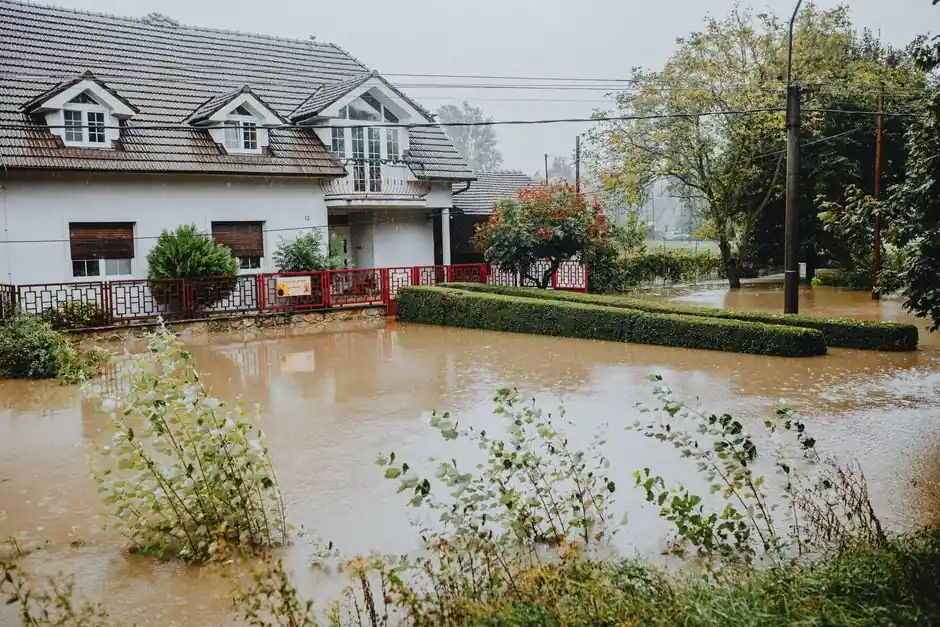
Flood water is almost always contaminated (Category 3 black water), and hidden hazards are the real danger. Before entering:
- Turn off electricity and gas to the flooded area if you can do so safely — never stand in water to reach a panel.
- Wear waterproof boots, gloves, and eye protection.
- Watch for structural damage, and assume anything the flood water touched is contaminated.
Document everything for insurance
Before you remove anything, photograph and video the damage from every angle — water lines on walls, damaged belongings, and affected rooms. This protects your claim. Standard homeowners policies often exclude flooding, so check whether you have separate flood coverage and file promptly.
Damage bigger than a DIY job?
Our IICRC-trained crews respond 24/7 across Ventura County.
Call (833) 844-0749Get the water out
Once it's safe, remove water fast. Pumps handle deep water; a wet/dry vacuum finishes shallow areas. For a whole flooded house, professional professional water extraction clears water and moisture far faster than DIY tools — critical when contaminated water is soaking into everything it touches.
Remove mud, debris, and ruined materials
Flood water leaves silt and contamination behind. Shovel out mud while it's still wet, and remove anything porous that was submerged — carpet, padding, drywall (cut about a foot above the water line), insulation, and upholstered furniture. These hold contamination and can't be reliably saved. This is often the point where professional flood cleanup makes the biggest difference.
Disinfect every surface
Wash down all remaining hard surfaces — studs, subfloor, concrete, and salvageable items — with detergent, then a disinfectant. Contaminated flood water leaves bacteria on everything it reached, so this step is about health, not just cleaning.
Dry and dehumidify aggressively
Open the structure up and run dehumidifiers and air movers around the clock, often for a week or more after a full flood. Wall cavities and subfloors must reach normal moisture levels or mold will follow. Professionals verify this with meters during structural drying before rebuilding begins.
Getting help fast
A flooded house is more than a DIY job — the combination of contamination, volume, and speed needed usually calls for a professional crew. We provide 24/7 emergency water damage restoration and flood cleanup across Thousand Oaks, Simi Valley, Camarillo, and Moorpark. Calling early means less contamination spread and less to rebuild.
Frequently Asked Questions
How do I start cleaning up a flooded house?
Begin with safety — shut off power and gas, wear protective gear, and treat flood water as contaminated. Document the damage for insurance, then remove water, muck, and ruined porous materials before disinfecting and drying.
Is flood water dangerous to clean up?
Yes. Flood water is typically Category 3 'black water' containing sewage, chemicals, and bacteria. Wear full protective gear and consider professional help, especially for large areas.
Does homeowners insurance cover a flooded house?
Standard homeowners insurance usually excludes flooding from storms or rising water — that requires separate flood insurance. Sudden internal water damage, like a burst pipe, is more often covered.
What can't be saved after a flood?
Porous materials that were submerged — carpet, padding, drywall, insulation, and upholstered furniture — usually can't be safely salvaged after contaminated flood water and should be removed.