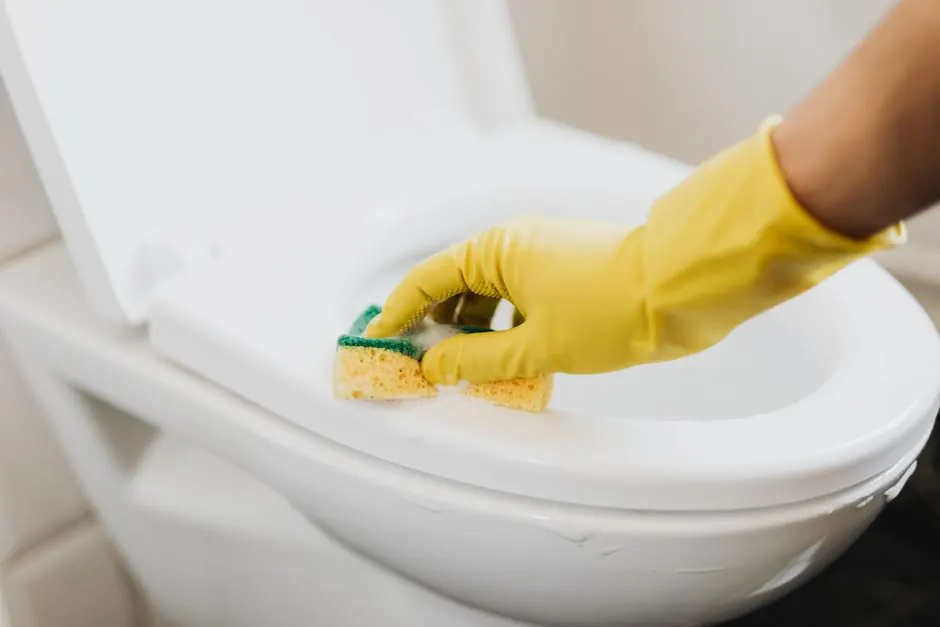
Assess the water type first
How you clean up water damage depends entirely on what kind of water you're dealing with:
- Clean water (supply line, rain, melting) — lowest risk, safe to handle with care.
- Gray water (dishwasher, washing machine, clean toilet overflow) — mildly contaminated; wear gloves.
- Black water (sewage, flood water, toilet with waste) — hazardous. Do not clean this yourself; it needs sewage backup cleanup.
When in doubt, treat it as more contaminated rather than less.
Extract the water
Get standing water out as fast as possible. A wet/dry vacuum handles small areas; for larger volumes, a pump or professional professional water extraction clears water far faster and reaches what has soaked into flooring. The longer water sits, the deeper it wicks into drywall and subfloor.
Damage bigger than a DIY job?
Our IICRC-trained crews respond 24/7 across Ventura County.
Call (833) 844-0749Salvage what you can
Move wet items to a dry, ventilated area quickly:
- Photos, documents, and books — freeze them if you can't dry them immediately; it buys time.
- Upholstered furniture — dry within 48 hours or it may need professional cleaning.
- Electronics that got wet — do not power them on until fully dried and checked.
Clean and disinfect surfaces
Once water is removed, wash hard surfaces with warm water and detergent, then disinfect. This step matters even with clean water, because standing water breeds bacteria within a day. Discard porous items (carpet padding, insulation, ceiling tiles) that stayed wet too long — they can't be reliably disinfected.
Dry everything thoroughly
Run fans, open windows, and use dehumidifiers continuously for several days. Aim to get indoor humidity below 50%. Don't trust surfaces that feel dry — moisture hides in wall cavities and under floors. If you have a moisture meter, keep drying until readings return to normal; professionals confirm this during structural drying.
Inspect for hidden damage
After cleanup, check behind baseboards, under cabinets, inside walls near the source, and in the ceiling below any upstairs leak. Soft drywall, bubbling paint, or a musty smell means moisture is still trapped. Catching it now is far cheaper than a mold remediation later. Homeowners across Thousand Oaks, Simi Valley, and Camarillo can reach our team any time for water damage restoration if the damage runs deeper than expected.
Frequently Asked Questions
How do you clean up water damage safely?
Identify the water type first, extract standing water quickly, salvage and dry belongings, then clean and disinfect all surfaces. Wear protective gear and avoid contaminated (black) water entirely — that needs professionals.
How soon should I clean up water damage?
Immediately. Mold can start within 24–48 hours, so the faster you extract water and begin drying, the less damage and cost you'll face.
What should I throw away after water damage?
Porous items that stayed wet — carpet padding, insulation, ceiling tiles, and mattresses — usually can't be fully disinfected and should be discarded. Non-porous items can often be cleaned and saved.
Do I need to disinfect after clean water damage?
Yes. Even clean water grows bacteria once it sits, so disinfecting hard surfaces after extraction is an important step regardless of the original water source.